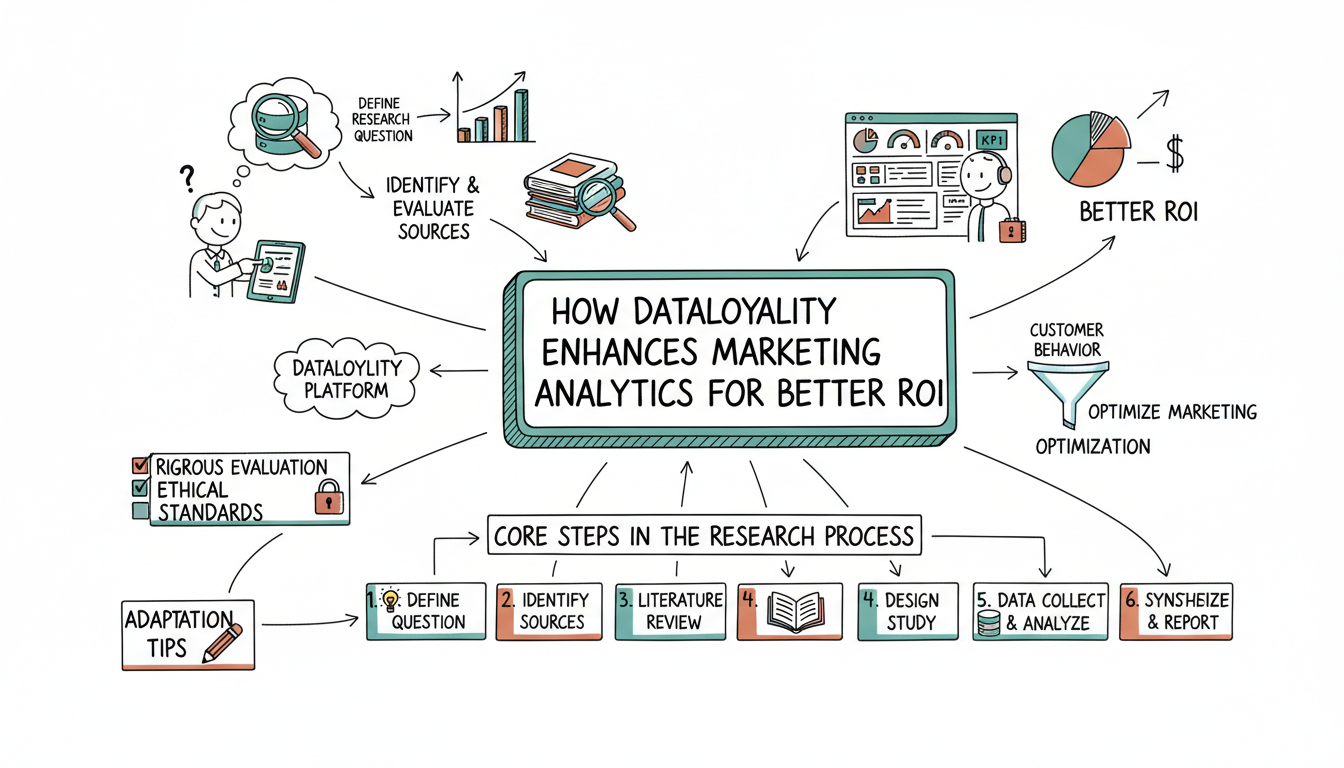
In the fast-paced world of business intelligence and analytics, staying ahead of the curve is essential for maximizing return on investment (ROI). This week, we delve into how DataLoyalty is revolutionizing marketing analytics, providing businesses with the tools they need to enhance their strategies and boost ROI.
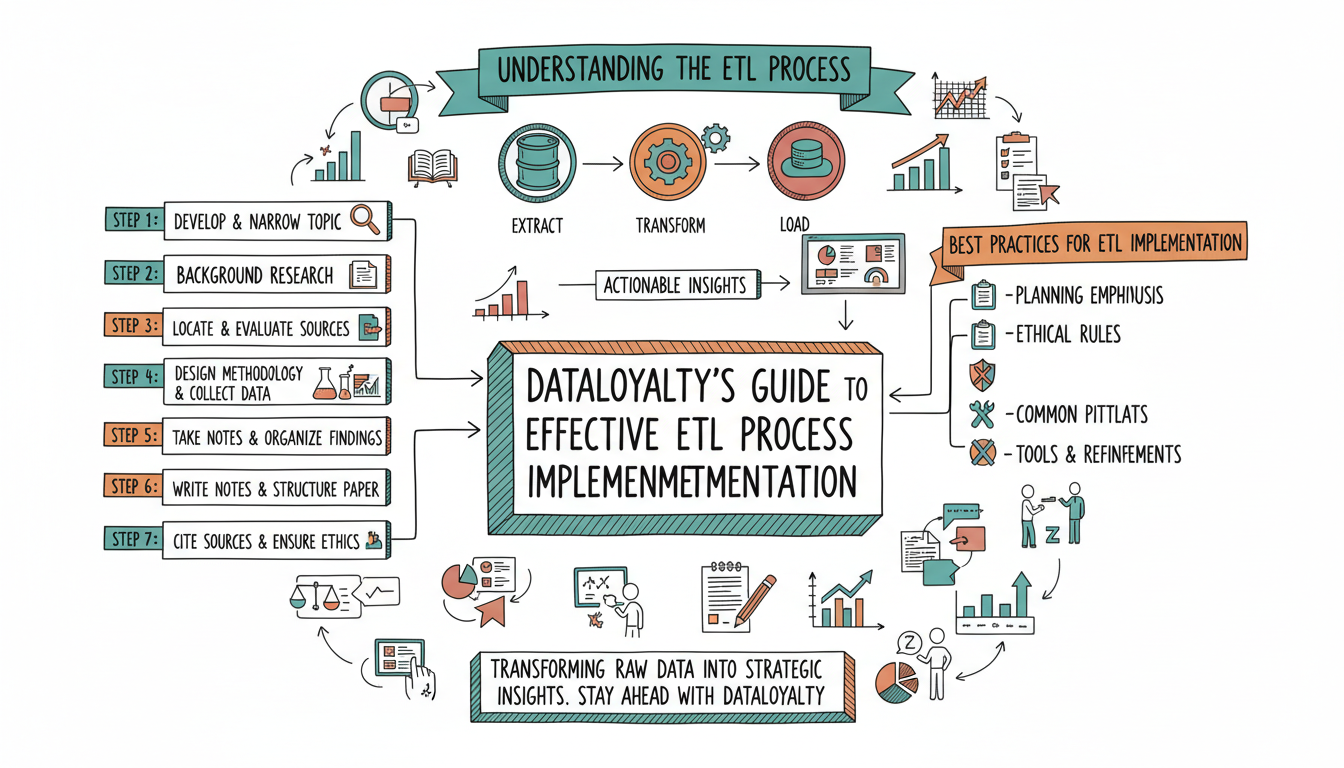
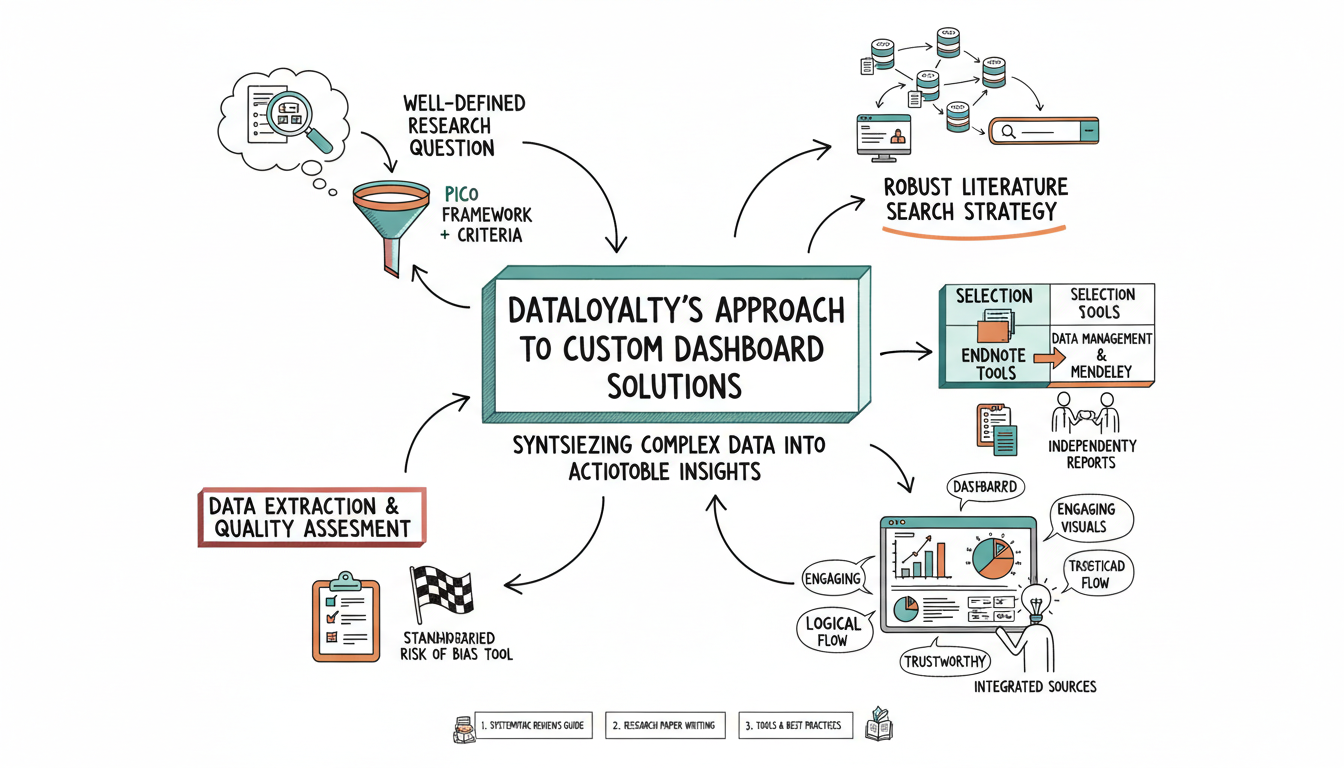
DataLoyalty is making waves in the industry by offering a comprehensive platform that integrates data from various sources, enabling businesses to gain deeper insights into customer behavior and preferences. This integration is crucial as it allows companies to tailor their marketing efforts more effectively, ensuring that every dollar spent is optimized for maximum impact.
The Importance of Effective Research in Marketing Analytics
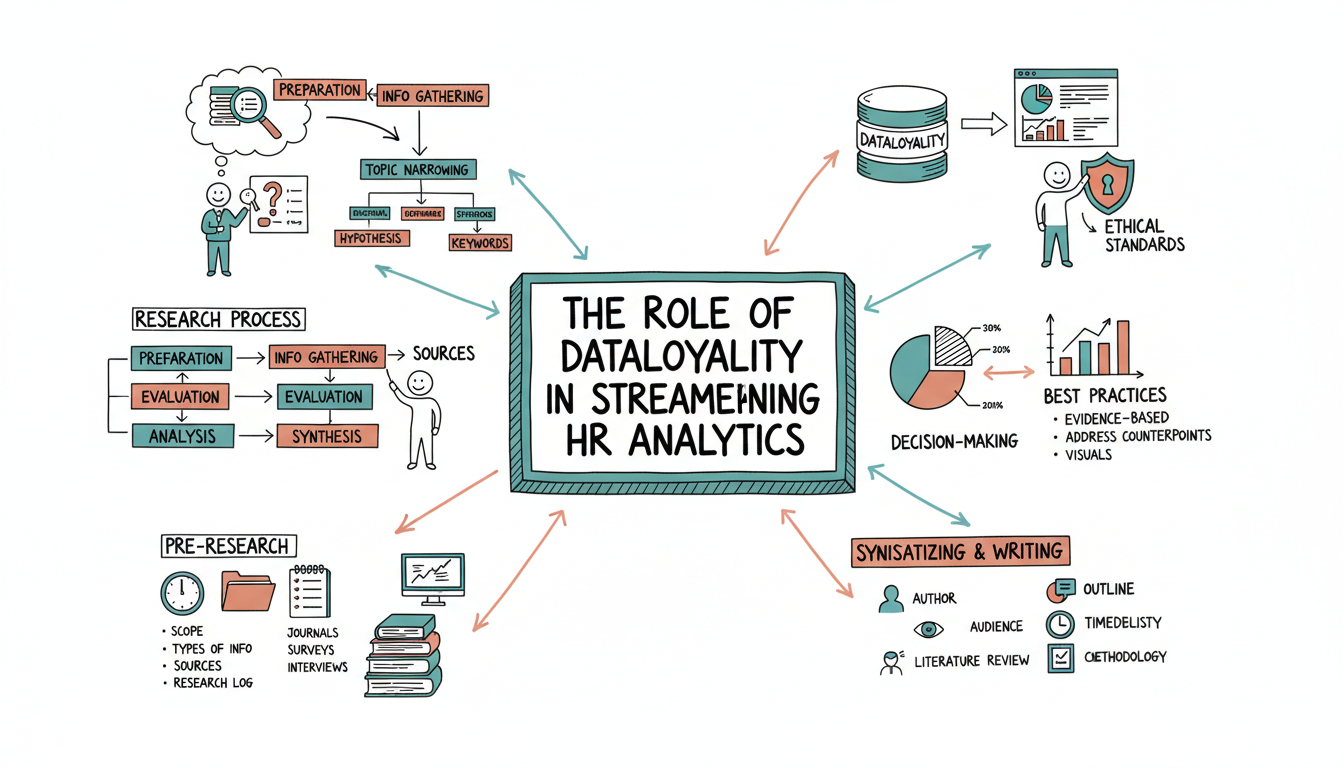
Conducting effective research is the backbone of successful marketing analytics. It involves a structured process that begins with selecting a focused topic and formulating a clear research question or hypothesis. This step is crucial as it guides the entire research process, ensuring that the data collected is relevant and actionable [1][2][3].
Once the topic is selected, it's important to plan the scope and needs of the research. This involves determining the types of sources required, such as facts, opinions, or statistics, and identifying where these sources can be found, whether in journals, databases, or through field methods like interviews [1][2][3]. Creating a research log or plan is also essential, as it outlines the methods, timeline, and tools needed for the research process [2][3].
Source Identification and Evaluation
Identifying and evaluating sources is a critical step in the research process. Sources can be categorized into primary, secondary, and tertiary, each serving a different purpose. Primary sources provide direct evidence or original data, such as interviews or experiments. Secondary sources interpret primary data, while tertiary sources summarize information from other sources [2][3].
Evaluating the credibility of these sources is vital. This involves checking the author's credentials, the intended audience, the evidence provided, the timeliness of the information, and any potential bias. Cross-verifying information and prioritizing academic journals over less reliable sources like blogs or social media is recommended [2][3].
Data Collection and Note-Taking
Gathering information through databases, websites, or primary methods is the next step. Taking detailed notes on key findings and citing sources immediately is crucial for maintaining accuracy and credibility [1][3]. Critical thinking is essential during this phase, as it involves questioning sources, analyzing evidence, and noting any gaps or limitations [2][3].
Analysis and Writing
Organizing and drafting the research findings into a coherent outline is the next step. This includes a literature review, methodology, results, discussion, and conclusion [1][3]. Integrating findings from various sources with prior knowledge and addressing counterarguments with evidence is key to creating a comprehensive analysis [1][3].
Finalization
The final step in the research process is revising and proofreading the work. Ensuring a logical structure, clear language, and error-free text is essential. Visual aids, such as charts, can enhance the presentation of data, making it more accessible and engaging for the reader [1][2].
Conclusion
DataLoyalty's innovative approach to marketing analytics is a game-changer for businesses looking to enhance their ROI. By integrating data from various sources and providing actionable insights, DataLoyalty empowers companies to make informed decisions and optimize their marketing strategies. As the business intelligence and analytics industry continues to evolve, staying informed and leveraging these tools will be crucial for success.
Incorporating effective research practices, as outlined in this post, can further enhance the impact of marketing analytics, ensuring that businesses are well-equipped to navigate the ever-changing landscape of consumer behavior and preferences.
Sources:
[Source 1 URL]
[Source 2 URL]
[Source 3 URL]