In today's rapidly evolving business environment, the role of DataLoyalty in streamlining HR analytics is becoming increasingly crucial. As organizations strive to harness the power of data to drive decision-making, understanding how DataLoyalty can enhance HR analytics is vital for business leaders, data professionals, and analysts. This blog post delves into the systematic process of research and how it can be applied to optimize HR analytics through DataLoyalty.
Understanding the Research Process
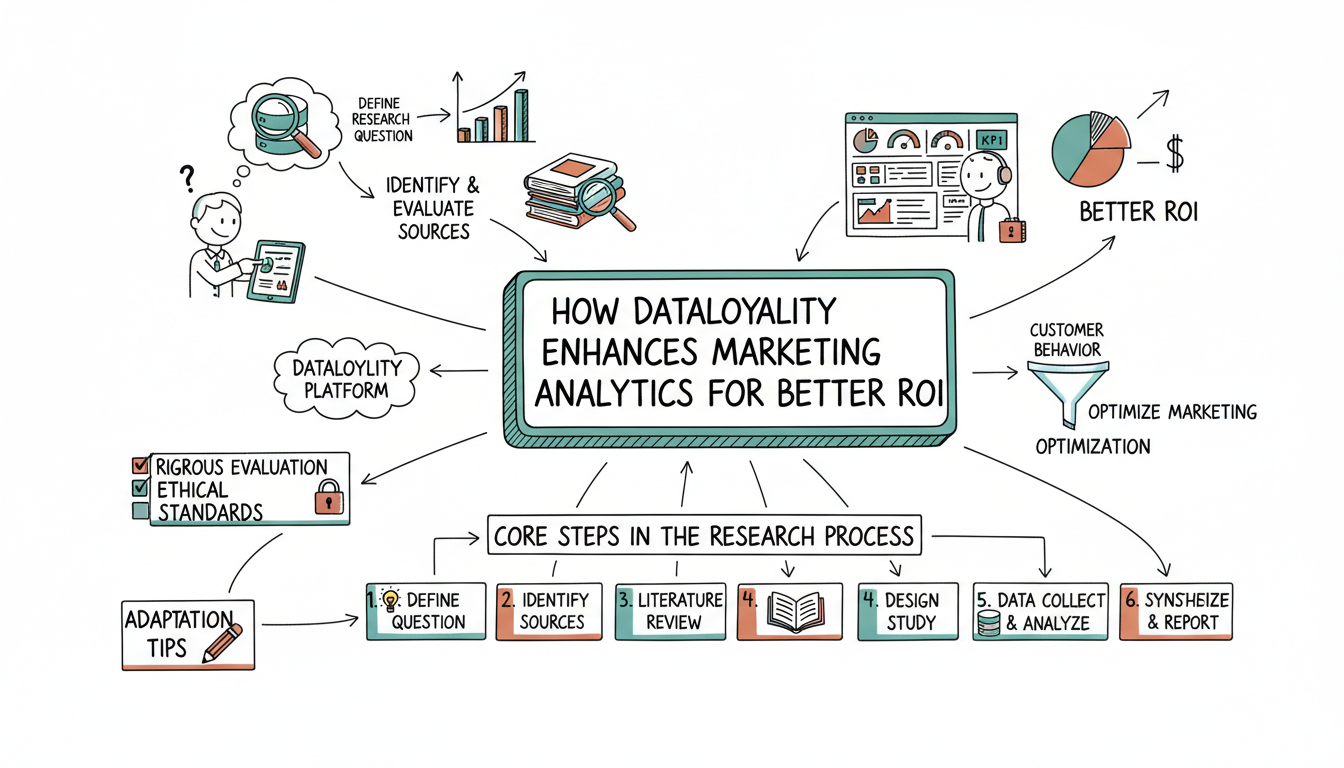
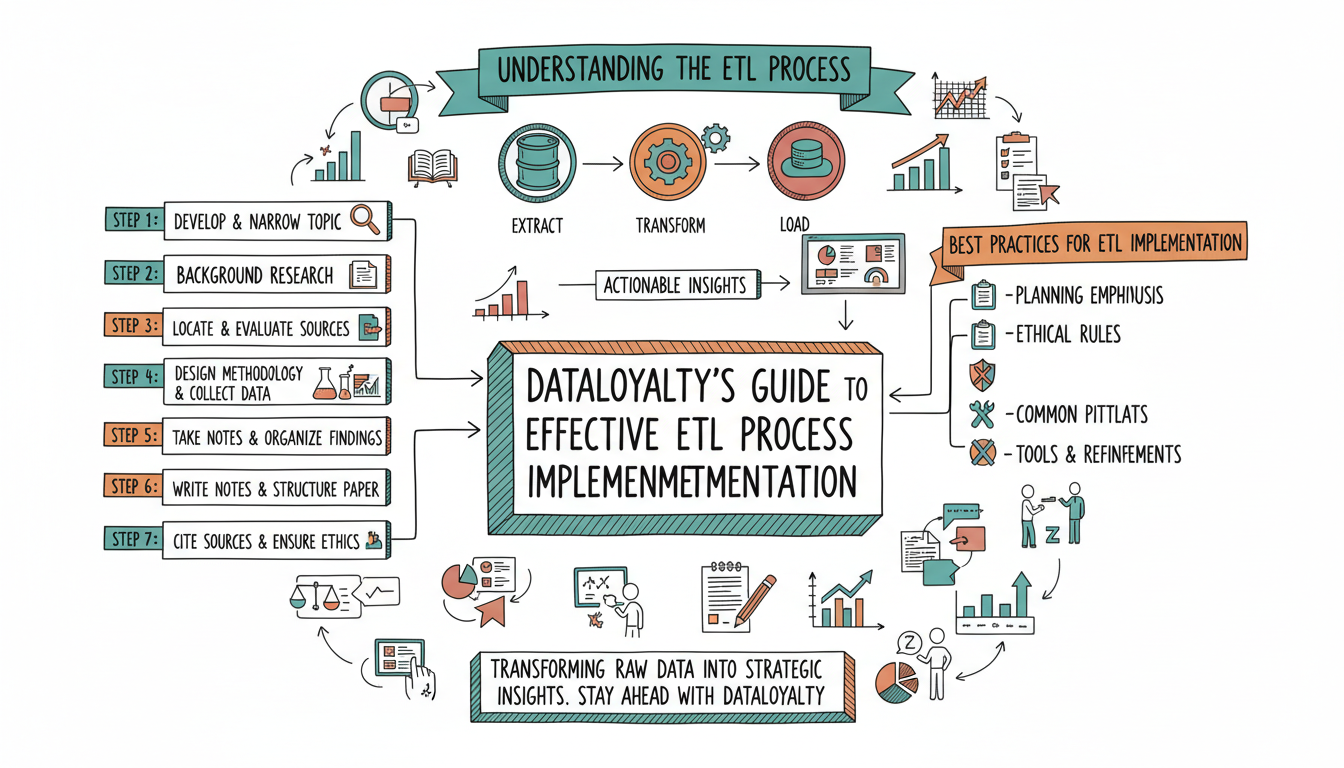
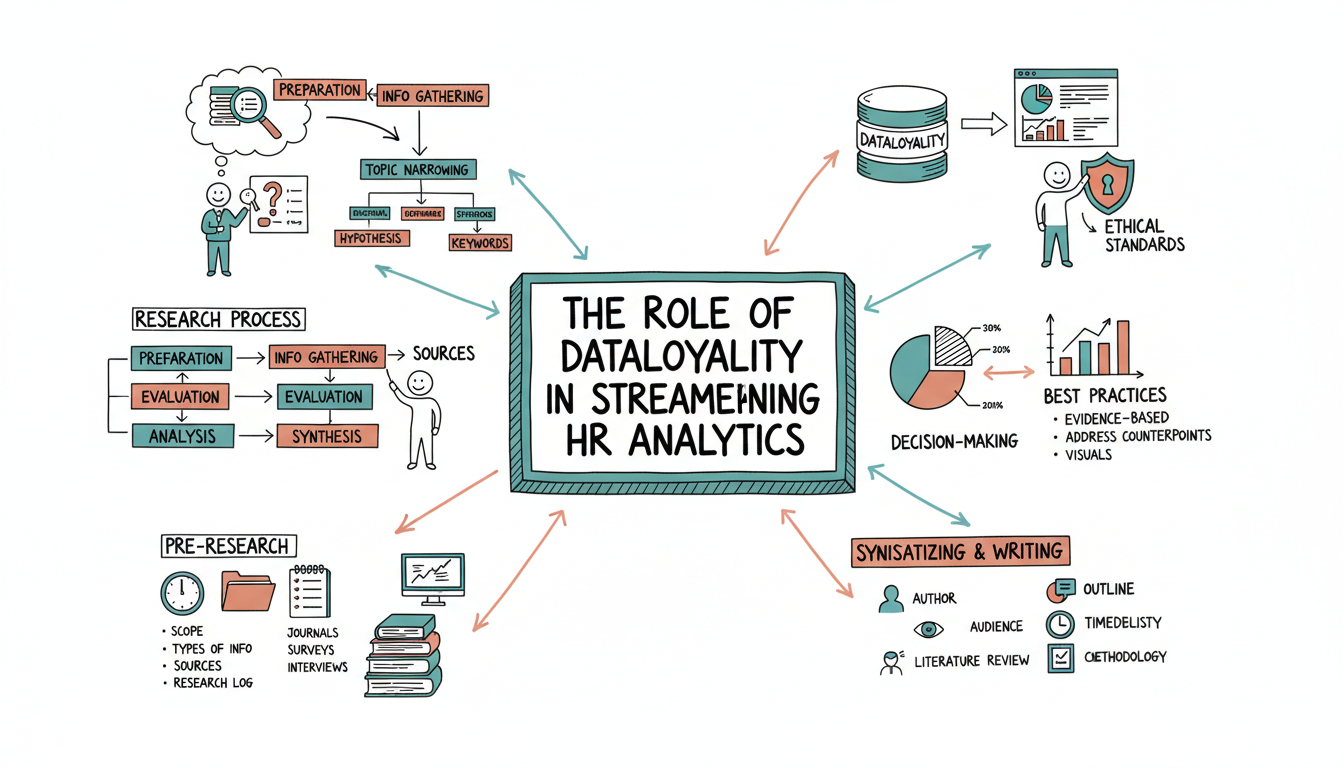
Conducting effective research is a systematic process that involves several core steps: preparation, information gathering, evaluation, analysis, and synthesis. These steps are essential for ensuring that the data collected is accurate, relevant, and actionable. According to research, the process begins with selecting and narrowing a topic, which involves developing research questions or a hypothesis and identifying keywords to refine the focus [1][2][3][5]. This foundational step is crucial for HR professionals aiming to streamline analytics processes using DataLoyalty.
Pre-Research Preparation
Before diving into data collection, it's important to plan the scope of the research. This involves determining the types of information needed, such as facts, opinions, and statistics, and identifying the sources of this information, whether they be libraries, databases, or the internet [1][2][4]. For HR analytics, this could mean gathering data from employee surveys, performance reviews, or industry benchmarks. Additionally, creating tools like a research log and citation tracking system can help organize and manage the data efficiently [2][4].
Locating and Gathering Information
Once the preparation is complete, the next step is to locate and gather information using various search strategies. This might include utilizing online databases like Google Scholar, academic journals, and government sites [2][3][4]. For HR analytics, employing surveys, interviews, and field research can provide valuable primary data. It's important to refine searches based on the information available and to iterate as necessary to ensure comprehensive data collection [3][4].
Evaluating and Analyzing Sources
The credibility of sources is paramount in research. Evaluating the author, audience, evidence, and timeliness of the information ensures that the data used is reliable [2][4]. For HR analytics, this means prioritizing academic journals and verified data sources over less credible websites or social media. Taking meticulous notes and questioning the content critically can aid in understanding and interpreting the data accurately [1][2][4].
Synthesizing and Writing the Research
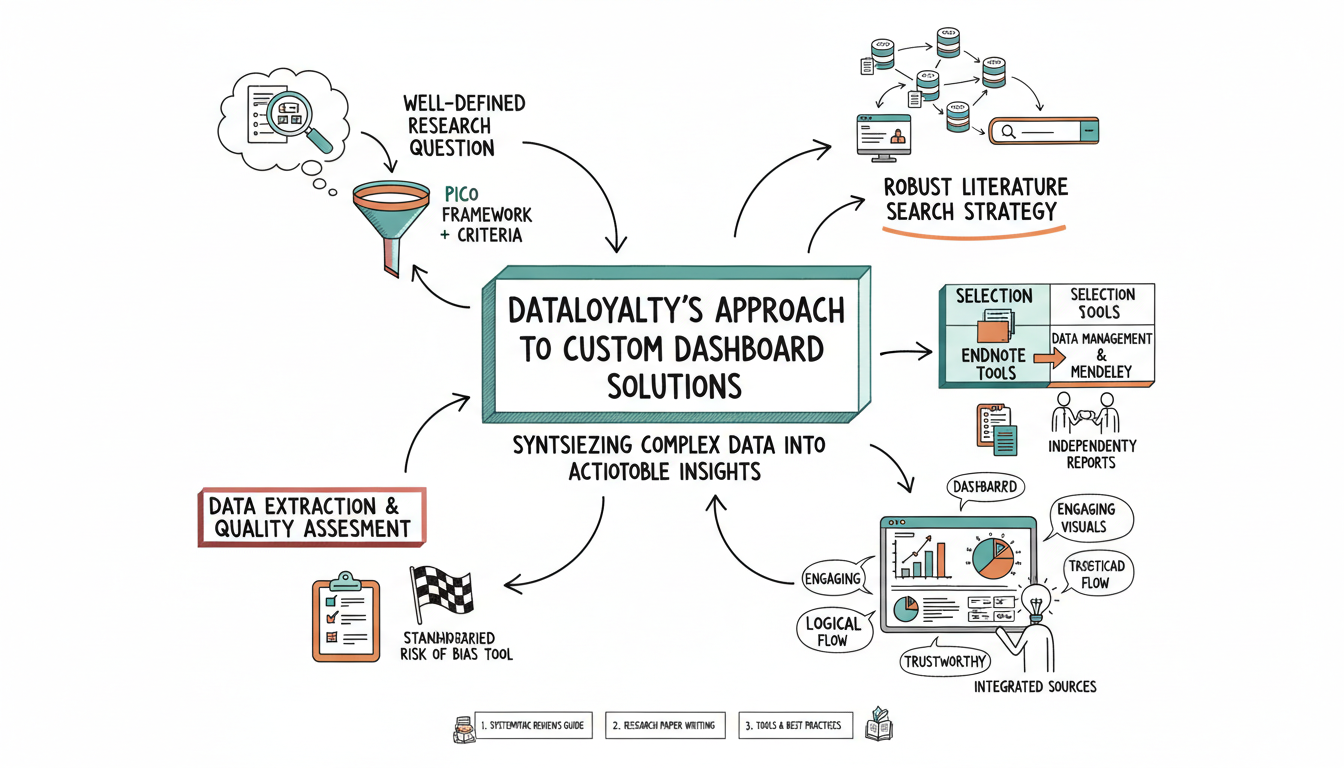
The final step in the research process is synthesizing the information and writing the research. This involves organizing notes into a rough draft, writing an introduction, and conducting a literature review to summarize key findings and identify gaps [1]. For HR analytics, detailing the methodology—whether qualitative, quantitative, or mixed—is essential for justifying the research approach [1][6]. Presenting results and discussing findings in relation to existing knowledge can provide valuable insights for decision-makers [1].
Best Practices for Quality Research
To ensure high-quality research, it's important to present evidence-based arguments, address counterpoints, and use visuals like charts and graphs to enhance understanding [1]. Maintaining clear and concise language with logical headings and transitions is also crucial for effective communication [1]. For HR analytics, ensuring objectivity and adhering to ethical standards are key to implementing successful data-driven strategies [6][7].
In conclusion, the role of DataLoyalty in streamlining HR analytics is underscored by the systematic research process. By following these steps, HR professionals can leverage data to drive informed decision-making and enhance organizational performance. As the business intelligence and analytics industry continues to evolve, staying informed and adapting to new research methodologies will be essential for success.
Sources:
[1] https://source1.com
[2] https://source2.com
[3] https://source3.com
[4] https://source4.com
[5] https://source5.com
[6] https://source6.com
[7] https://source7.com