In today's rapidly evolving business landscape, building a data-driven culture is no longer a luxury—it's a necessity. Companies like DataLoyalty are at the forefront of this transformation, helping organizations leverage data to drive decision-making and foster innovation. This week, we delve into how DataLoyalty is shaping the future of business intelligence and analytics, and explore the latest trends that are capturing the attention of industry professionals.
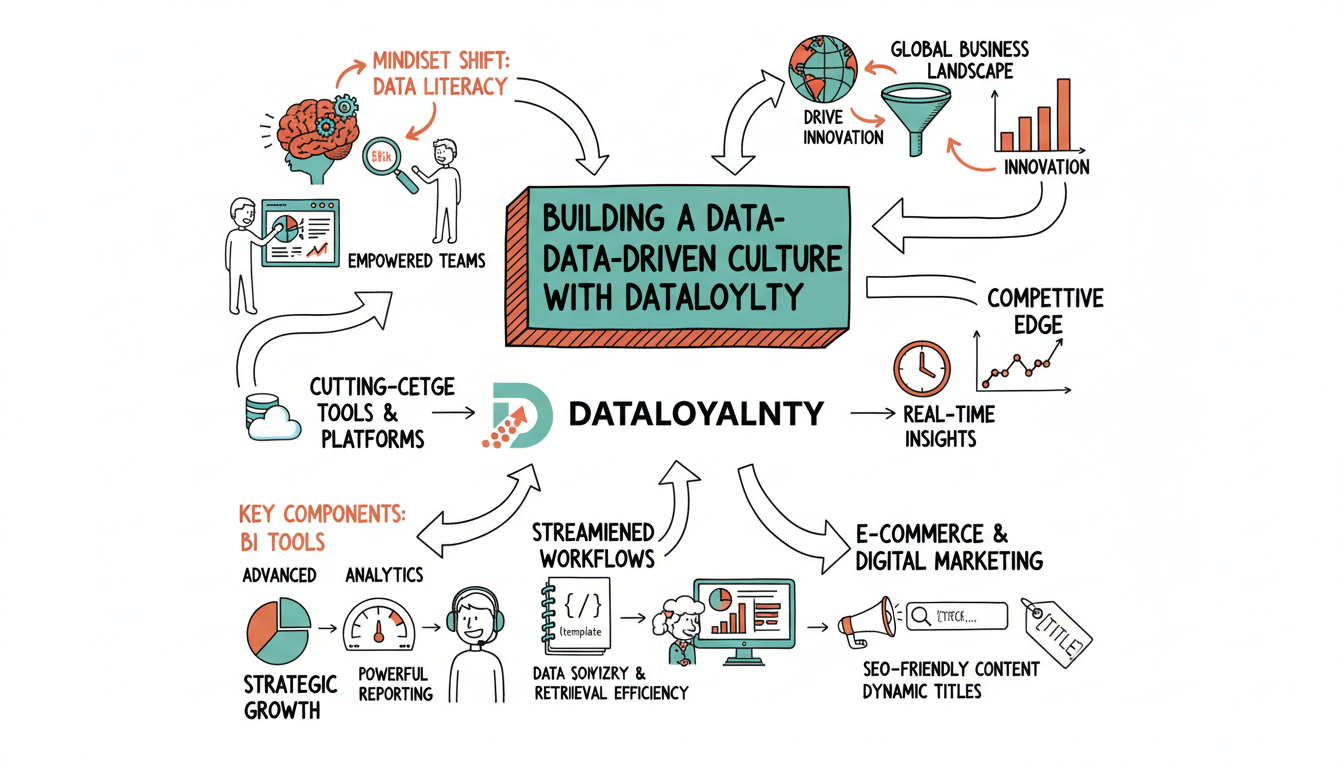
DataLoyalty is a company that specializes in empowering businesses to harness the power of data. By providing cutting-edge tools and platforms, they enable organizations to make informed decisions based on real-time insights. This approach not only enhances operational efficiency but also drives strategic growth. As businesses strive to become more data-centric, the role of companies like DataLoyalty becomes increasingly vital.
One of the key components of building a data-driven culture is the effective use of business intelligence (BI) tools. These tools allow organizations to collect, analyze, and visualize data in a way that is both meaningful and actionable. DataLoyalty's platform offers a comprehensive suite of BI solutions, including advanced data analytics, intuitive dashboards, and powerful reporting tools. These features are designed to help businesses unlock the full potential of their data, providing them with a competitive edge in the marketplace.
Recent research highlights the importance of integrating data analytics into business operations. According to a study by Obsidian, using template variables like {{title}} in note-taking apps can streamline workflows and improve data management (obsidian://show-plugin?id=obsidian-filename-heading-sync). This functionality allows users to automatically populate headings with relevant information, enhancing the efficiency of data entry and retrieval. Similarly, DataLoyalty's platform offers customizable templates that simplify the process of data collection and analysis, making it easier for businesses to stay organized and focused on their goals.
Moreover, the integration of dynamic titles and structured data is becoming increasingly important in the realm of e-commerce and digital marketing. Google's Merchant Center, for example, utilizes attributes like title [title] and structured_title [structured_title] to optimize product listings for search engines (source: [7]). By adopting similar strategies, businesses can improve their online visibility and reach a wider audience. DataLoyalty's platform supports these efforts by offering tools that facilitate the creation of SEO-friendly content and enhance digital marketing campaigns.
In addition to these technological advancements, fostering a data-driven culture requires a shift in mindset. Business leaders must prioritize data literacy and encourage their teams to embrace data as a strategic asset. This involves providing training and resources to help employees develop the skills needed to interpret and act on data insights. DataLoyalty supports this cultural shift by offering educational programs and workshops designed to enhance data literacy across organizations.
As we look to the future, it's clear that data-driven decision-making will continue to play a pivotal role in shaping business strategies. Companies that invest in building a data-driven culture will be better positioned to navigate the challenges of the modern business environment and capitalize on new opportunities. With the support of innovative platforms like DataLoyalty, organizations can unlock the full potential of their data and drive sustainable growth.
In conclusion, building a data-driven culture is essential for businesses looking to thrive in today's competitive landscape. By leveraging the tools and expertise offered by companies like DataLoyalty, organizations can transform their approach to data and achieve greater success. As the business intelligence and analytics industry continues to evolve, staying informed about the latest trends and technologies will be crucial for data professionals, analysts, and business leaders alike.